
India's e-commerce landscape is evolving faster than ever. What worked two years ago may already be outdated. For small business owners selling online — or planning to start — understanding where the market is headed isn't just interesting, it's essential for survival.
Here are the most significant e-commerce trends shaping India in 2026, and what they mean for your business.
The State of Indian E-Commerce in 2026
India's e-commerce market has crossed $150 billion and is on track to reach $200 billion by 2027. But the more important shift isn't in total market size — it's in who is selling and buying online.
- Tier 2 and Tier 3 cities now account for over 60% of new online shoppers. The growth is no longer just in metros.
- Small and micro businesses are the fastest-growing segment of online sellers, moving away from marketplace dependency toward their own stores.
- Mobile-first continues to dominate — over 85% of Indian e-commerce transactions happen on mobile devices.
- Average order frequency has increased across categories, driven by digital payment convenience and improved logistics.
The playing field is becoming more accessible for small businesses. Here are the trends driving that shift.
UPI Dominance: The Great Payment Equaliser
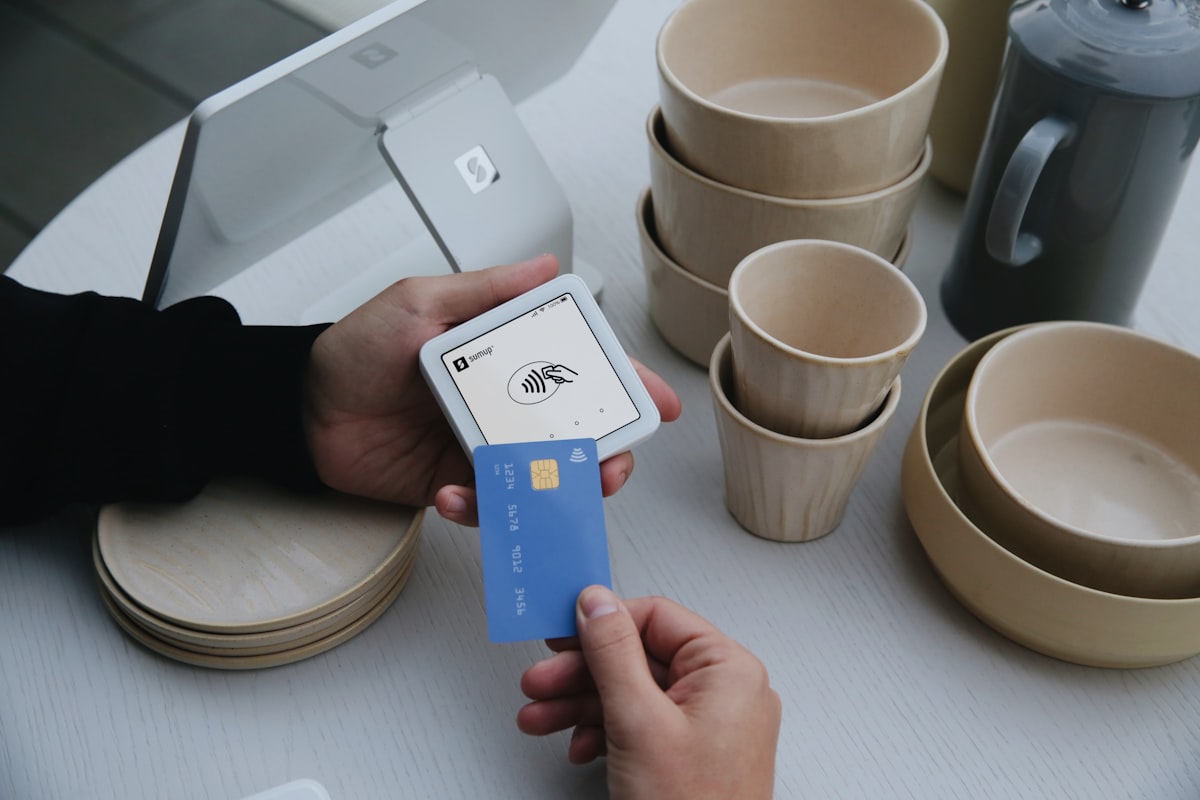
UPI has fundamentally changed how India pays. With over 16 billion transactions monthly in 2026, UPI isn't just a payment method — it's the default way Indians move money.
What this means for online sellers:
- UPI is table stakes. If your store doesn't accept UPI, you're losing the majority of potential customers. It's not an optional add-on anymore.
- Lower transaction costs. UPI transactions typically cost 0–1.5% for merchants, compared to 2–2.5% for credit cards. This matters when margins are thin.
- Instant confirmation. UPI payments confirm in seconds, reducing cart abandonment from payment failures.
- Semi-urban and rural reach. UPI works for customers who don't have credit cards — which is most of India. By accepting UPI, you're accessible to a vastly larger customer base.
StoreBase™ supports Razorpay, PhonePe, and Cashfree as payment gateways, all of which offer UPI alongside cards, wallets, and net banking. Your customers can pay how they prefer, and you get a unified dashboard for all transactions.
AI Integration: Not Just for Big Companies Anymore
Artificial intelligence was a buzzword in 2024. In 2026, it's a practical tool that small businesses are actively using to compete with larger players.
How AI Helps Small Online Sellers
- Product descriptions: Writing compelling descriptions for 100+ products is time-consuming. AI can generate professional, SEO-friendly descriptions in seconds that you can then personalise.
- Customer insights: AI-powered analytics can identify your best customers, predict inventory needs, and forecast revenue — insights that previously required a dedicated analyst.
- Smart search: AI-powered search on your store understands customer intent, not just keywords. A search for "something warm for winter" can surface your woollen shawls and jackets.
- Chat support: AI chatbots can handle common customer questions 24/7, reducing your support burden while keeping customers engaged.
- Content creation: Banner copy, category descriptions, and marketing content can be drafted by AI, saving hours of writing time.
StoreBase™ includes an AI addon powered by advanced language models that offers product description generation, banner copy writing, customer segmentation, inventory forecasting, review management, and more — all accessible from your admin panel without any technical setup.
The Key Shift
AI is moving from "nice to have" to "competitive necessity." Sellers who use AI tools work more efficiently, create better content, and make data-informed decisions. Those who don't risk falling behind — not because AI is magic, but because it's a genuine productivity multiplier.
WhatsApp Commerce: India's Unique Advantage
While the West debated social commerce, India quietly built a massive commerce ecosystem on WhatsApp. With over 500 million WhatsApp users, India is the platform's largest market — and increasingly, people are buying through it.
How WhatsApp Commerce Works in Practice
- Product discovery on social media or the store — Customer sees a product they like
- WhatsApp for enquiry and negotiation — "Is this available in blue?" "Can you do free delivery?"
- Order confirmation on WhatsApp — Personal, conversational, trust-building
- Payment via UPI or other methods
This hybrid model — browsing online, buying via WhatsApp — is uniquely Indian and works exceptionally well for categories where customers have questions before buying: custom clothing, food items, handcrafted goods, premium products.
StoreBase™ supports both modes: a full online cart with payment gateway checkout for customers who want a seamless e-commerce experience, and a WhatsApp ordering mode that redirects the customer's cart to WhatsApp for a more personal interaction. You can choose the mode that fits your business — or start with WhatsApp and switch to full checkout as you grow.
Social Commerce and the D2C Revolution
The line between social media and shopping continues to blur. In 2026, social commerce in India is characterised by:
Direct-to-Consumer (D2C) Brand Growth
More Indian brands are selling directly to consumers through their own stores rather than relying solely on marketplaces. This trend is accelerating because:
- Marketplace commissions eat into already thin margins
- Consumers are willing to buy from independent brands they discover on social media
- Platforms like StoreBase™ have made it affordable and simple to run your own store
- Customer data ownership enables better marketing and retention
Social Proof as a Purchase Driver
Indian consumers are highly influenced by social proof — reviews, ratings, "500+ sold," live viewer counts, recent purchase notifications. These signals reduce the perceived risk of buying from a new or small brand.
StoreBase™'s Social addon includes product reviews, trust badges, customer testimonials, live viewer counts, and recent purchase popups — all the social proof tools that help small stores compete with established brands.
Content-Led Commerce
The most successful D2C brands in India aren't just listing products — they're creating content. Recipe videos for food brands, styling guides for fashion, tutorial content for beauty. Content builds audience, audience drives traffic, traffic converts to sales. This flywheel is the foundation of modern e-commerce.
Vernacular Content and Voice Search
India speaks 22 scheduled languages and hundreds of dialects. As internet penetration deepens beyond metros, the next wave of online shoppers is not primarily English-speaking.
Vernacular Content Matters
- Over 75% of new internet users in India prefer consuming content in their local language
- Product descriptions, customer support, and marketing content in Hindi, Tamil, Telugu, Marathi, or Bengali can dramatically increase conversion rates in those markets
- Google and social media algorithms increasingly favour regional language content for local searches
Voice Search Is Growing
With Google Assistant and Alexa usage growing in Indian homes, voice search is becoming a meaningful discovery channel. Voice searches tend to be more conversational — "best organic turmeric near me" rather than "organic turmeric buy." Optimising your product descriptions for natural language helps capture this traffic.
For sellers targeting regional markets, consider creating product descriptions and categories in your regional language alongside English. StoreBase™'s AI tools can help generate content that you can then translate or adapt for your local audience.
Quick Commerce: Rising Expectations
Blinkit, Zepto, and Swiggy Instamart have trained Indian consumers to expect delivery in minutes. While most small businesses can't (and shouldn't) compete on delivery speed, this trend has knock-on effects you need to understand:
- Delivery expectations have increased. Customers want to know exactly when their order will arrive. Clear shipping timelines and tracking information are now expected, not optional.
- Real-time updates matter. Order confirmation, dispatch notification, and delivery updates (even via WhatsApp or SMS) significantly reduce "where's my order?" anxiety.
- Packaging quality is noticed. Quick commerce has raised the bar for packaging. Even if you ship in 2–3 days, the unboxing experience should feel professional.
- The opportunity is in what quick commerce can't do. Quick commerce handles commodities — milk, snacks, cleaning supplies. Unique, handcrafted, niche, and premium products are where independent stores thrive. Nobody orders artisanal chocolate or handwoven sarees on Blinkit.
StoreBase™'s order management system lets you track orders from placement to delivery, update statuses, add tracking information, and keep customers informed — meeting the elevated expectations that quick commerce has created.
Position Your Business for 2026 and Beyond
The trends are clear: UPI is the default payment method, AI is becoming a practical business tool, WhatsApp is a sales channel, social proof drives purchases, and consumers expect professional, mobile-first shopping experiences — even from small businesses.
The good news? You don't need a massive budget or a tech team to ride these trends. Platforms like StoreBase™ are built specifically to give small Indian businesses access to the same tools and capabilities that large e-commerce companies have — at a price that makes sense.
Explore our plans to see how StoreBase™ can help your business stay ahead, or get in touch to discuss your specific needs.
Illustrations by Storyset
Ready to take your business online?
Launch your own online store in minutes. No coding, no hassle. Rs 99/month hosting + 10% of sales, total bill capped at Rs 999/month.
Get Started NowYou might also like
Why We Built StoreBase — Helping Indian Small Businesses Go Online
India has over 60 million small businesses, but most still don't sell online. We built StoreBase to change that — an affordable, India-first e-commerce platform that anyone can use.
6 min readHow to Create an Online Store in India — A Complete Guide for 2026
Learn how to create an online store in India step by step. From choosing the best platform and adding products to setting up UPI payments, GST invoicing, and marketing your store in 2026.
8 min readBest E-Commerce Platforms in India 2026 — An Honest Comparison
Comparing the best e-commerce platforms in India for 2026 — Shopify, WooCommerce, Dukaan, and StoreBase. Pricing, features, and which is right for your business.
10 min read